
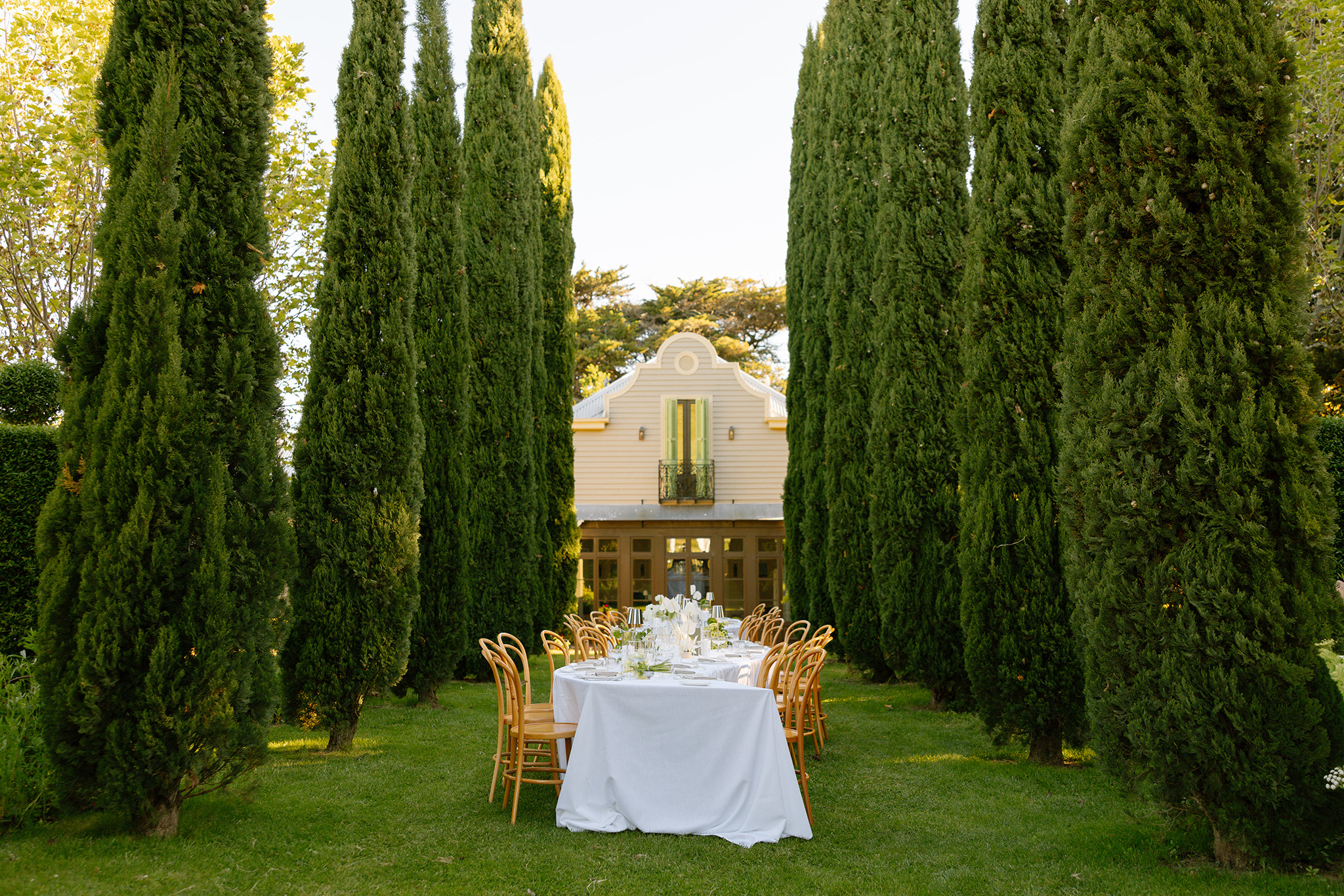
Planning a destination wedding sounds dreamy. Until you’re suddenly juggling travel, accommodation, vendors, weather plans, and a venue that is hours away from home.
Melanie from Regional Victoria wedding planning studio Mellyrain Creative spends her days helping couples pull off celebrations in the Victorian countryside, especially private estates and property weddings where the logistics matter just as much as the pretty bits. In this guest post, she’s sharing the things couples often don’t expect when they fall in love with a destination venue, plus the practical ways to make it all feel calmer and more doable.
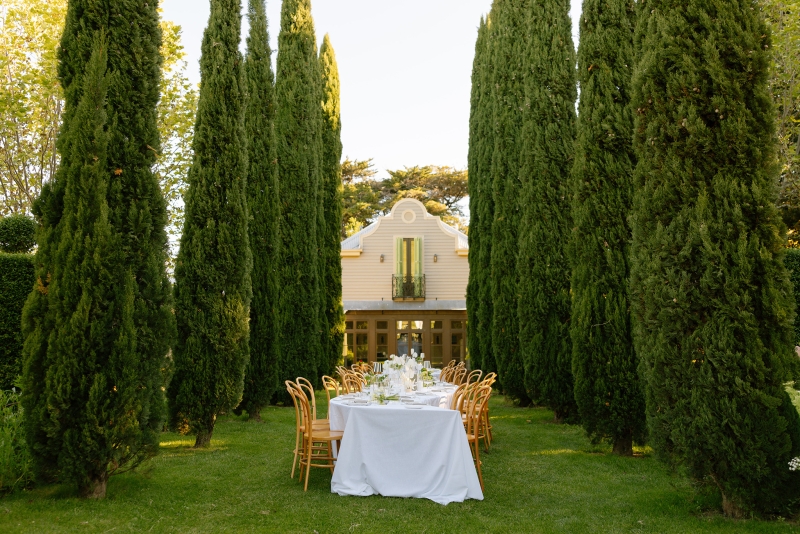
There’s a moment that happens with almost every couple planning a destination wedding. They’ve found their dream venue. Maybe it’s tucked into the High Country with mountain views or set among vineyards in wine country. The photos will be stunning, the vibe is going to be perfect and they can already picture themselves saying their vows with their nearest and dearest in attendance. Then reality starts to set in. Whether it’s a drive or a plane ride away. planning a wedding hours from home isn’t quite the same as planning one around the corner.
Destination weddings are worth every bit of effort, but they do come with their own set of challenges that can catch couples off guard. The good news? Most of these hurdles are completely manageable when you know what to expect and how to navigate them. Here’s what you need to know.
Getting Everyone There (And Back Again)
Travel logistics sound simple until you’re coordinating 80 to 150 people heading to the same location on the same weekend. Some guests will drive, others might not have cars. Some guests may need to fly into the location. There are elderly relatives to consider, friends coming from interstate, and that one cousin who always gets lost.
The challenge isn’t just getting people there. It’s making sure they feel comfortable with the journey and know exactly where they’re going.
How to navigate it: Start with crystal-clear directions with options to get to the location and realistic travel times. If your venue is three hours from the city in perfect conditions, tell your guests it’s three and a half. Build in buffer time for rest stops, wrong turns, and the inevitable traffic leaving town. Consider adding in the closest airports for those travelling overseas or interstate and ways to hire cars to drive to the location. And always, always include a contact number for someone who knows the area and can talk lost guests through that final stretch of road.
Finding the Right Vendors (When There Aren’t Many to Choose From)
In the city, you can scroll through dozens of florists, caterers, and photographers within a 10 kilometre radius. In destination areas, your options might be more limited. The vendors you do find are often booked out months or even a year in advance. They may also not be the right match for what you are looking for.
Then there’s the question of whether to book local vendors or bring your favourites from home. Local vendors know the location, understand the area’s quirks, and usually won’t charge you travel fees. But sometimes the specific style or service you want simply isn’t available locally, which means coordinating vendors from the city who are willing to travel.
How to navigate it: Start your vendor search early. At least 12 to 18 months out if you can. Ask your venue for their preferred vendor list. These are the people who know the space inside and out. For vendors traveling from the city, be upfront about location and logistics from your first conversation. Some love the adventure of a destination wedding, others prefer to stay close to home. Budget for travel costs and accommodation if needed and make sure traveling vendors have clear directions, realistic timing and a local contact person on the day. The vendors who are genuinely excited about your location will make all the difference.
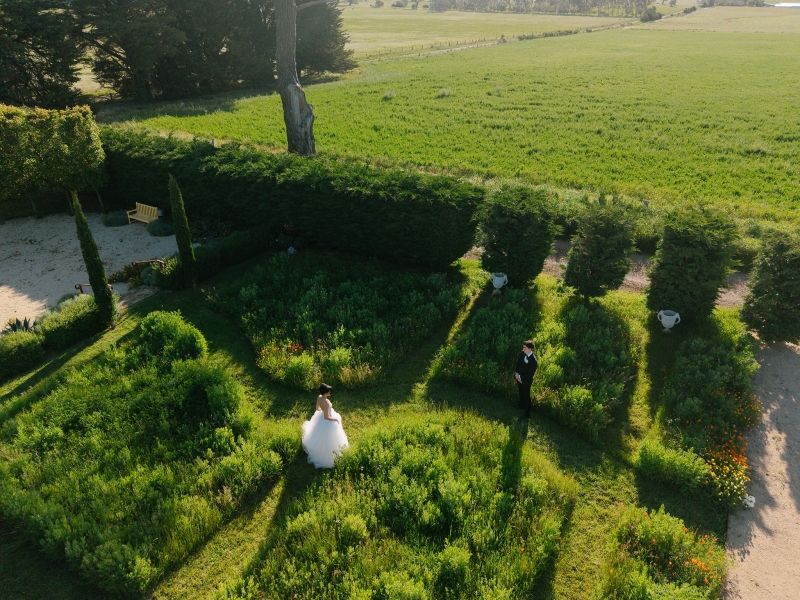
Accommodation: More Than Just Booking a Few Rooms
Unless your guests live locally, they’re going to need somewhere to stay. In small country towns, accommodation can be limited. A handful of motels, a couple of Airbnbs, maybe a historic pub with rooms upstairs. During peak wedding season, peak holiday periods like school holidays or long weekends, those options fill up fast.
You might find yourself playing accommodation coordinator, fielding questions about where to stay, what’s available, and whether Aunt Margaret’s room has wheelchair access. It’s a lot to manage on top of everything else.
How to navigate it: Start by researching accommodation options as soon as you book your venue. Create a list with a range of price points and distances, and share it with your guests early, ideally when you send save the dates. If your venue has on site accommodation, consider reserving a block of rooms for your closest family and friends. For everyone else, include recommendations for nearby towns if local options are limited. And be realistic with your guests. Let them know if they need to book early, if options are tight, or if they might need to stay 20 minutes down the road. The more information you give them upfront, the less stress for everyone. And the less questions coming your way!
Weather: Beautiful, Unpredictable and Impossible to Control
Destination weddings often mean couples are opting for outdoor ceremonies, open-air receptions and celebrations under the stars. It’s magical when the weather cooperates. But country weather can be unpredictable. Hot summer days that turn stormy by evening or can even result in bush fires, crisp autumn mornings that become unexpectedly cold by nightfall or spring winds that seem to come out of nowhere.
The challenge isn’t just rain. It’s also extreme heat, bushfire smoke, frost or that biting wind that makes your beautiful outdoor setup feel less than comfortable.
How to navigate it: Always have a backup plan, even if your venue promises perfect weather. That might mean a marquee, an indoor space, or a contingency timeline that lets you move things around if needed. Think beyond rain and consider comfort. Things like heaters for chilly evenings, fans for hot days, blankets for guests, and shade for summer ceremonies. Have a plan in place, put it to the side and then check the weather forecast in the week leading up to your wedding. Don’t let the weather consume you. The best approach is to prepare for anything and trust that your guests will remember the love and celebration, not whether it was 28 degrees or 32.
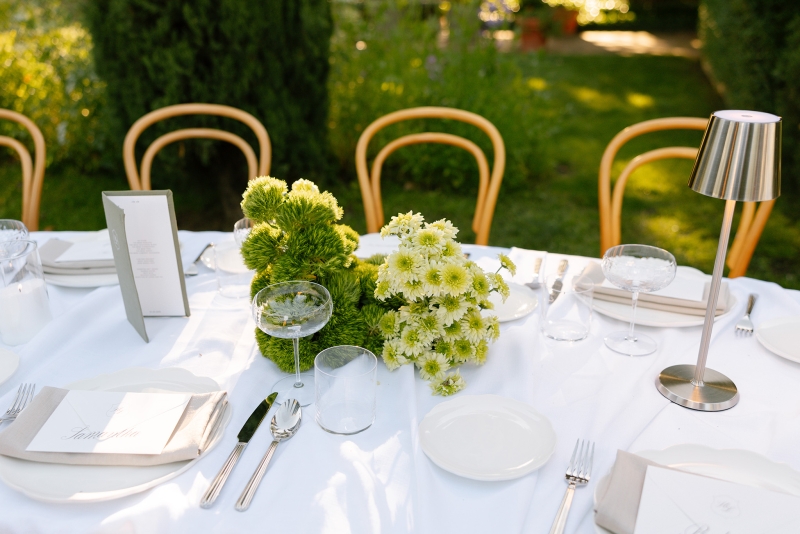
Timelines That Look Different to City Weddings
City weddings often run on tight schedules. Ceremony at 4pm, photos at 5pm, reception at 6pm, everyone out by 11pm. Destination weddings need more breathing room across the board. There’s travel time to factor in, longer gaps between ceremony and reception if they’re in different locations and the reality that sunsets happen at different times depending on the season and landscape.
You might also need extra time for vendor bump-in and setup, especially if your venue is a blank canvas or a private property.
How to navigate it: Build in buffer time everywhere. If your ceremony and reception are in different locations, allow enough time for guests to travel between them, even if in theory it’s only a 15-minute drive. Plan your timeline around natural light if you’re doing outdoor photos. That golden hour is worth waiting for. And if you’re setting up at a property or marquee venue, factor in a full day (or even two) for furniture and space setup.
Communication Gaps (Literally)
Phone signals can be patchy in destination areas, which sounds minor until you’re trying to coordinate last-minute details, check in with vendors or let lost guests not knowing where to turn. Email might not load, calls might drop out and that group chat you’ve been relying on might not work at all once you’re out of range.
How to navigate it: Test phone signals at your venue during your site visit, and let your vendors and key contacts know in advance if it’s unreliable. Share a landline number if your venue has one, or designate someone with a good signal as the point of contact. For your wedding day, consider printing physical timelines and contact lists for your vendors and bridal party. Old school, but effective. And let your guests know ahead of time that they might be off the grid for the weekend. They might even see it as a bonus.
The Details That Only Locals Know
Every destination has its quirks. Maybe the local council requires permits for certain setups. Maybe the nearest petrol station closes at 6pm. Maybe that scenic lookout you want for photos is a 20 minute hike from the car park, or the road to your venue becomes impassable after heavy rain.
These are the details you won’t find on Google, and they’re the ones that can throw a spanner in your plans if you’re not prepared.
How to navigate it: Ask questions. Lots of them. Talk to your venue coordinator, chat with local vendors and reach out to other couples who’ve married in the area. If you’re planning a wedding on private property, ask about access, parking, and any restrictions. Check whether you need permits for things like marquees, amplified music or road signage. The more you know about the local landscape (literally and figuratively) the smoother your planning will be.
When It All Feels Like Too Much
Here’s the thing about destination weddings. They’re absolutely worth it. The space, the beauty, the sense of escape. It all adds up to something truly special. But the planning process is different, and it requires a level of coordination and local knowledge that can feel overwhelming, especially if you’re managing it all from afar.
This is where working with a wedding planner who specialises in destination weddings can make all the difference. Someone who knows the venues, the area, the vendors, the roads, and all the quirks. Someone who’s navigated patchy phone signals and last-minute weather.
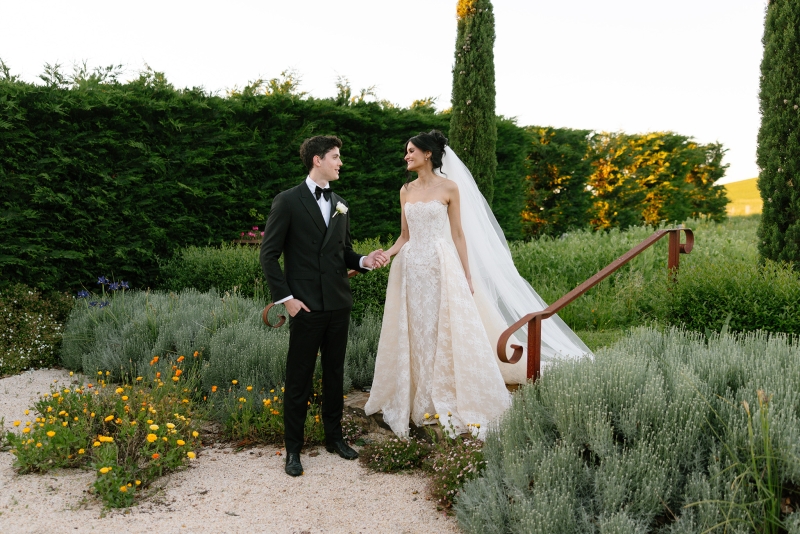
About the author: Mellyrain Creative is a wedding planning studio led by Melanie James, specialising in regional Victoria celebrations with a focus on private estates, properties and homesteads. Melanie and the team support couples with planning, logistics, vendor management, and on the day coordination, with strong local knowledge and trusted regional connections.
Want a hand pulling it all together? If you’re planning a private estate or property wedding in regional Victoria and want one trusted team to manage both the planning and the styling, Mellyrain Creative has introduced Plan + Style. It’s an all in one service designed for destination weddings and property celebrations. You can read more here.






Join the conversation